I’ve started using a vibration plate recently, and the changes I’ve noticed are honestly pretty impressive. My muscles feel less tense, my feet and legs stay warm even after a quick session, and my energy is a notch higher during the day. I just throw on my headphones, step on, and let the machine do its magic for ten minutes. What’s cool is that vibration plates aren’t just about fitness; they have benefits that reach way beyond just helping you work out. Here’s what I’ve found after checking out all the health perks and personal experiences with these plates.
What Exactly Is a Vibration Plate?
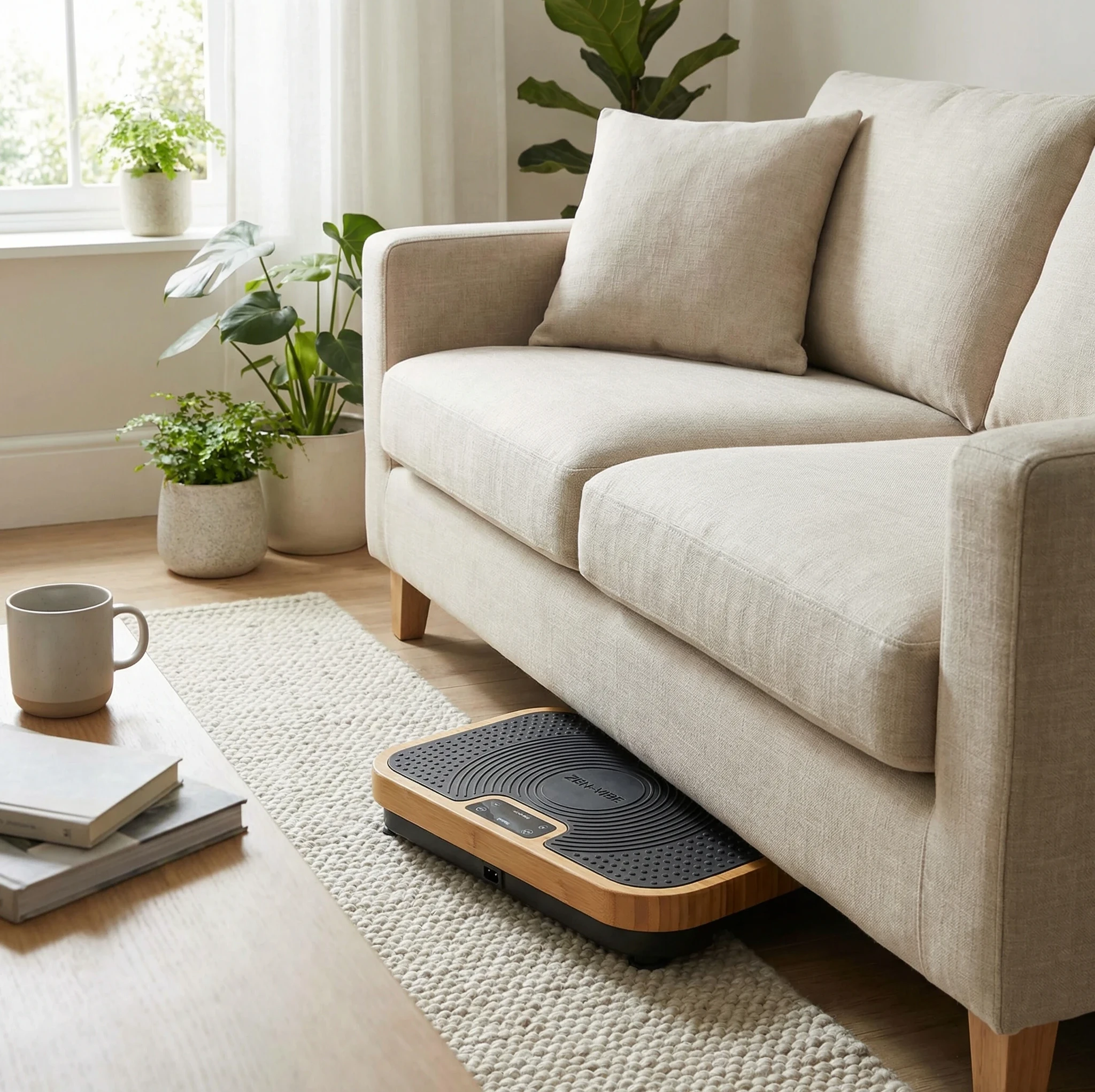
A vibration plate is basically a sturdy platform that vibrates at high speeds while you stand, squat, or perform simple exercises on it. Most have settings for both the speed and intensity. These platforms started out in physical therapy clinics and gyms but have gotten super popular for home use as well. The idea is pretty simple; as the plate vibrates, your muscles respond by contracting over and over, more than they would during a standard static exercise.
Modern vibration plates usually vibrate in either up and down or side to side motions. Some even mix both. No matter which one, the whole thing focuses on adding a challenge to regular moves like squats, lunges, or just standing still.
How Vibration Plates Boost Your Health
Using a vibration plate goes way beyond working your legs. I’ve tracked a lot of the well-documented benefits—and some you might not expect. Here’s where I noticed the biggest changes and what research says you can look forward to:
- Less Muscle Tension: The first thing I noticed was how my muscles seemed to loosen up, especially in my legs and lower back. Vibration seems to help relax muscle fibers, making it great for easing daily soreness.
- Better Circulation: After a quick session, my feet and fingers were noticeably warmer. Studies link vibration training to better blood flow, which is great for recovery and keeping your limbs oxygenated.
- Improved Flexibility: Doing stretches on a vibration plate often makes them easier. The vibration encourages muscles to loosen up, and joints to feel more mobile. If you’re stiff getting out of bed, this is really helpful.
- Boosted Strength and Toning: You don’t need to squat with weights to feel a workout. The fast contractions give your muscles a pretty solid challenge. Several studies from fitness journals found regular vibration plate sessions led to stronger legs and more muscle tone, especially with some easy exercises added in.
- Better Balance and Core Stability: Balancing on a moving surface naturally works your abs and the small muscles in your hips and back. With consistent use, standing and walking can start to feel steadier, especially if you’re older or coming back from an injury.
- Supports Weight Management: While a vibration plate won’t do all the work for you, it can help burn some extra calories. Adding short intervals to your routine adds a little boost to your metabolism.
- Mood and Stress Relief: I find myself feeling calmer and less wound up after using mine. Some research points to vibration sessions having a positive impact on stress levels and general well-being.
On top of these, some folks also notice improved lymphatic drainage, which helps remove waste and toxins from your body. For people who stand or sit for long stretches at work, using a vibration plate can really freshen up tired legs. The gentle shaking often makes your feet, ankles, and calves feel lighter and less achy at the end of a long day.
Getting Started with a Vibration Plate
The first time I stepped onto a vibration plate, I didn’t know what to expect. If you’re just starting out, here’s what I recommend for a smooth intro:
- Start with Short Sessions: Two to five minutes on a low setting is plenty to get used to the feeling.
- Basic Positions: Start by standing with knees slightly bent. From there, you can add simple moves like calf raises or gentle squats.
- Listen to Your Body: The vibrations feel a bit odd at first. If any tingling or numbness pops up, take a break until you feel comfortable.
- Use Support If Needed: If your balance is iffy, rest your hands on a chair or countertop when starting out.
- Keep Sessions Regular: I stick to three or four short sessions a week. Consistency makes a bigger difference than going all in at once.
Building up gradually is key. It can be tempting to push for longer sessions, but short, frequent use usually gets the best results. Paying attention to your form— knees bent, core engaged, and shoulders relaxed—also helps you get more benefit from each session and protects your joints.
Tips and Tricks for Getting More Out of Your Plate
As with any wellness tool, a few tips can help you get more out of each session. Here are some that made a real difference for me:
- Mix It Up: Combine static holds (like standing or planking) with simple moves (like squats or lunges) to get a full body workout.
- Don’t Forget Your Upper Body: You can also do pushups or tricep dips on your plate; just keep the settings low the first time you try.
- Keep Hydrated: You’ll sweat a little more than you expect, so having a water bottle nearby isn’t a bad idea.
- Use It as a Warmup: A few minutes before your main workout can help loosen up tight spots. The increased blood flow is a nice bonus.
- Track Your Progress: Note which muscle groups feel different after each session. This helps you see what’s working and what might need tweaking.
Real World Uses and Who Can Benefit
I got my plate mainly to loosen up sore legs and help with post-workout recovery, but it’s useful for a whole range of folks:
- Athletes: For muscle warmup, cooldown, and injury recovery support.
- Seniors: For improving balance, bone health, and reducing joint stiffness.
- Busy People: If you want a low impact way to squeeze in exercise, a quick session can do wonders even during a work break.
- Those Managing Chronic Pain: Gentle vibration sometimes helps reduce pain and improve movement. (Always check with your doctor!)
Even teens and younger adults can use vibration plates, though parental supervision is best for those under 18. Trainers and physical therapists often recommend vibration plates for gently working the muscles during recovery from injury. Ultimately, if you’re looking for a tool to complement your exercise routine, or just to get your blood moving when you can’t get out for a walk, a vibration plate fills that role easily.
Where to Buy a Good Vibration Plate
I chose to start using the Taevno Vibration Plate. I compared user reviews, features, and prices and this definitely was a great choice. Investing in a quality model can make the whole experience a lot more enjoyable.
Adding a vibration plate to your daily routine has some real perks, from faster recovery to less tension and even better mood. Research and practical experience both point to it being a super useful tool for anyone looking to support their health and fitness, without the need for a big home gym or tons of equipment. If you want a time-efficient way to give your body a boost, a vibration plate is absolutely worth checking out.
This post contains affiliate links. As an Amazon Associate, I earn from qualifying purchases at no extra cost to you.