
 Building a strong fitness routine is a great way to boost health and energy. But even the best workout plan can lose some of its benefits if you’re not giving enough attention to your eating habits. Mindful eating is a fresh approach to food that works right alongside your fitness plan, helping you get more out of your workouts and feel good overall.
Why Mindful Eating Works With Fitness
Being intentional with your meals can have a bigger impact than you might think. Mindful eating is all about slowing down, paying attention, and really noticing what (and why) you’re eating. It can help with weight management, digestion, energy levels, and even that happy, satisfied feeling after meals. When you add workouts to the mix, mindful eating helps your body get the fuel it needs, avoids sabotaging your results, and turns eating from a chore or afterthought into something you actually enjoy.
Fitness and nutrition are closely connected. Exercise puts stress (the good kind!) on your muscles, needs energy from carbs and proteins, and burns calories. Without the right balance, you might feel sluggish, sore, or even run into plateaus. Adding mindful eating can undo mindless snacking or overeating, especially after tough workouts. Plus, it makes everyday meals a lot less boring or routine.
Some people fall into the trap of eating quickly after exercise, thinking that feeling hungry means they need a massive meal. But mindful eating ensures you actually listen to your body’s hunger cues and reach for foods that restore energy without overdoing it. Over time, you’ll notice that meals and snacks become part of your fitness recovery, not an afterthought or a way to undermine your hard work.
Getting Started: What Mindful Eating Looks Like
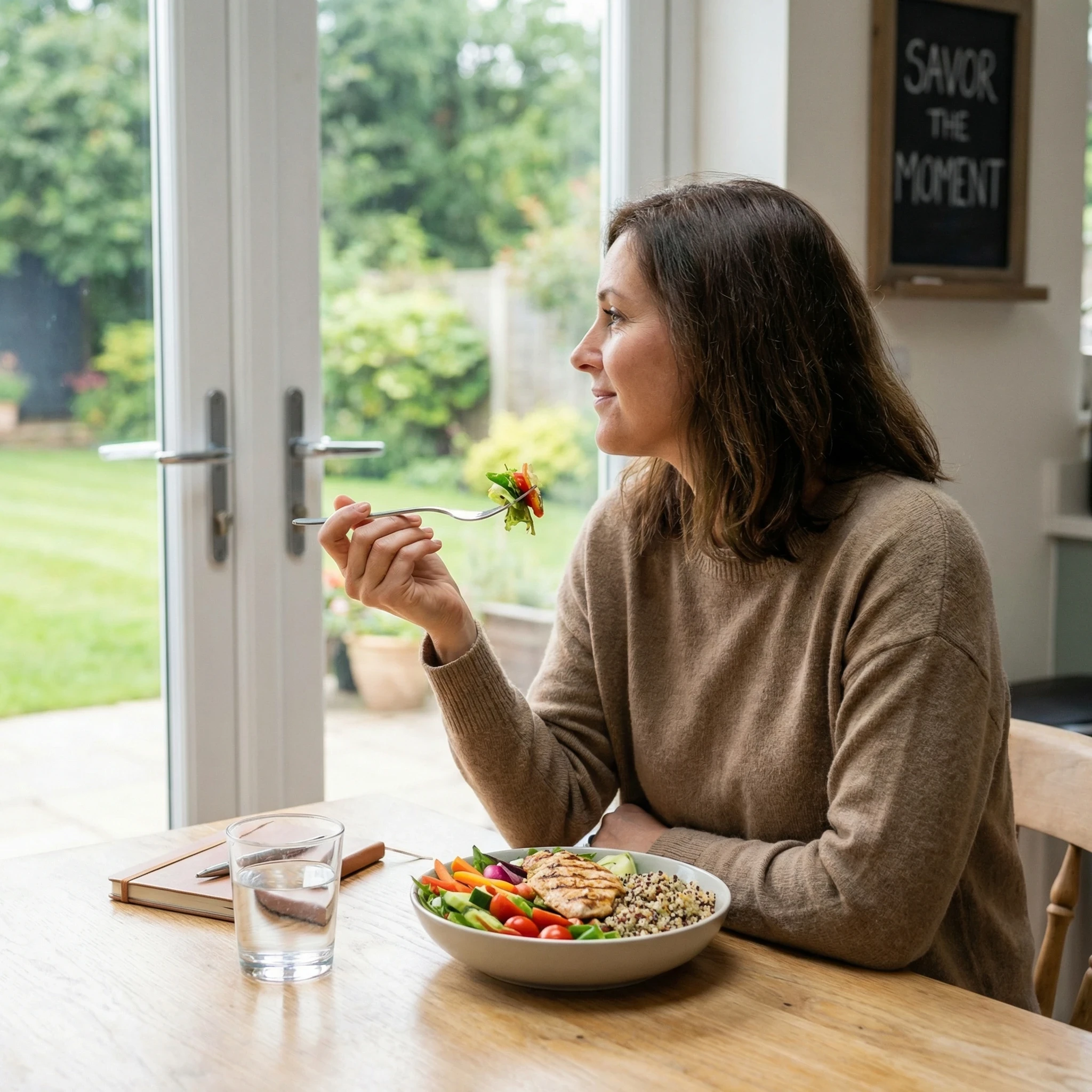
Eating mindfully isn’t about strict rules or forcing yourself into uncomfortable habits. It’s more about building awareness and tuning in to what your body and mind actually need. I started my adventure by simply turning off distractions, slowing down, and being honest if I was really hungry or just bored. Here’s a basic list of what mindful eating in practice might feel like:
- Sitting down at the table, not in front of a screen
- Noticing the colors, shapes, and smells of your food
- Taking a deep breath before your first bite
- Chewing slowly and noticing flavors and textures
- Checking in with how full or satisfied you feel halfway through
- Feeling gratitude for the meal (even if it’s super simple)
This isn’t a “perfect every meal” strategy. The idea is progress, not perfection. The more often you practice, the easier and more natural it feels.
If you’re beginning, try focusing on just one meal a day. Maybe you start with your breakfast or lunch and focus on slowing down, tasting, and noticing how foods make you feel during and after you eat. Write down a couple thoughts each day—nothing elaborate, just a sentence or two. You may spot patterns, like certain foods making you feel more energetic, or particular times of day when you tend to snack out of habit instead of hunger.
Key Ideas To Try: The 3-3-3 Rule of Eating
The 3-3-3 rule is a quick, memorable way to bring mindfulness back to mealtimes. Here’s how it works:
- Pause for 3 breaths before you start eating
- Chew each bite for at least 3 seconds (or more)
- After 3 bites, check in on your hunger and satisfaction level
I’ve found that just these tiny pauses help with overeating, mindless munching, and emotional snacking. It sounds so simple, but it really works, especially if you’re short on time or have a busy home.
You can make the 3-3-3 rule a habit by putting a sticky note on your fridge or kitchen table. Even if you forget at first, seeing the reminder can gently nudge you to slow down and focus during mealtimes. Over time, this quick check-in turns into a habit that supports better choices and improves how you feel throughout the day.
The 5 S’s of Mindful Eating
Easy reminders can make mindful eating part of your daily life. Here are the 5 S’s of mindful eating, which I turn to as a checklist before meals or snacks:
- Sit Down: Take a seat somewhere calm. You don’t have to set a fancy table, but sitting signals your brain and body that it’s mealtime.
- Slow Down: Try putting your fork down between bites or eating your meal over ten to fifteen minutes instead of five.
- Savor: Notice the food’s smell, taste, and even the texture. This makes the meal more satisfying and less likely to lead to cravings later.
- Simplify: You don’t need gourmet meals. Keep it simple: eggs and toast, a veggieloaded wrap, or yogurt with fruit.
- Smile: Find something to enjoy about the meal or the experience—even just for a split second. Gratitude can boost satisfaction and even help digestion.
These 5 S’s also work well as a family-friendly checklist or as reminders if you eat at work or on the go. If you struggle to slow down, setting a timer can help. Aim to stretch meals to at least ten minutes and see how that small change impacts how you feel after eating.
Budget-Friendly Mindful Eating: Tips and Ideas
Eating mindfully doesn’t require a fancy grocery bill or boutique health foods. I’ve learned over the years that budget eating is totally possible while keeping meals nourishing and interesting. Here are some things to keep in mind:
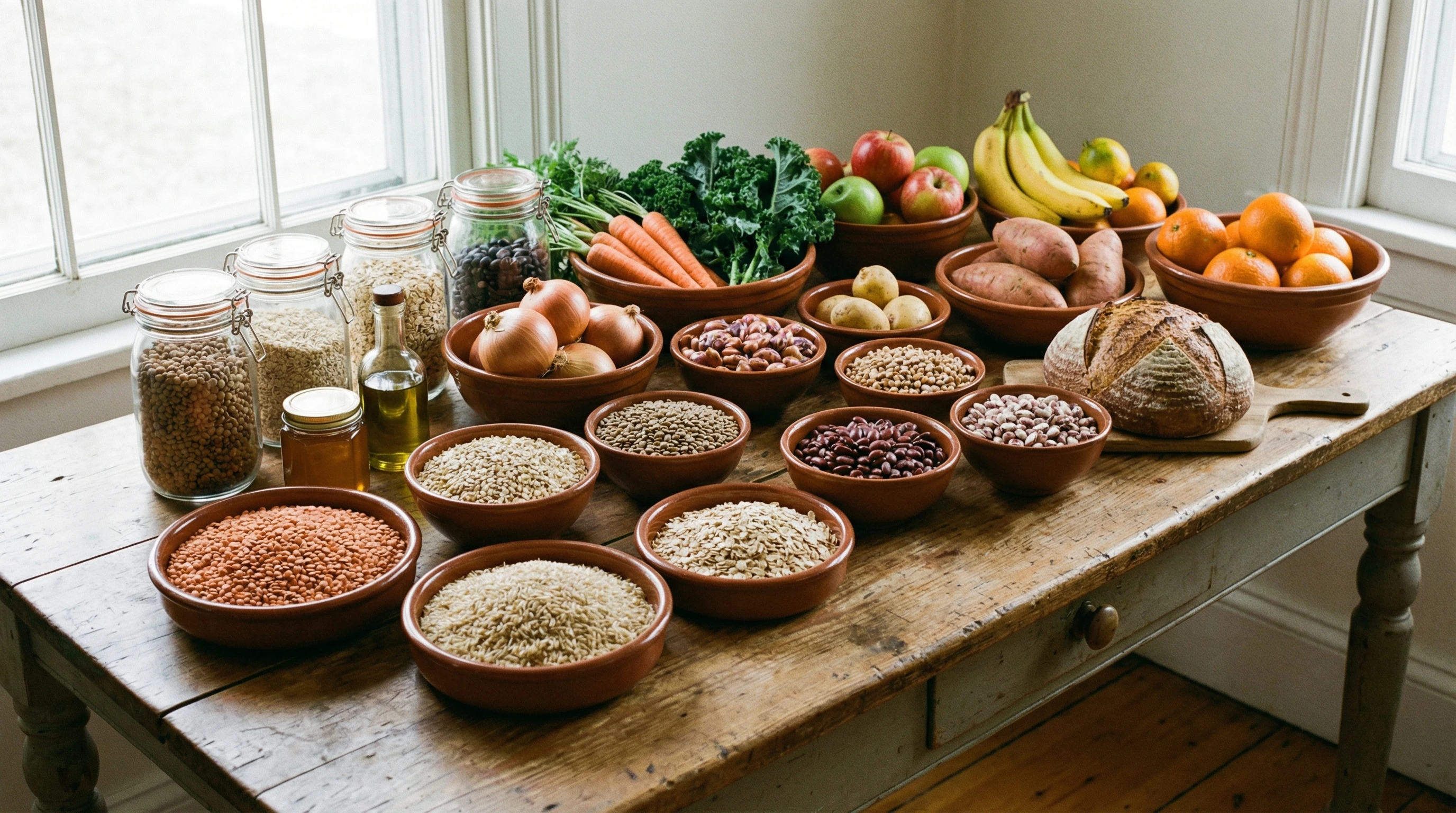
- Plan Simple Meals: Build plates around staples like oats, beans, eggs, rice, and frozen veggies. Add a few fresh ingredients to get variety without overspending.
- Buy In Bulk: Oats, brown rice, and beans are way cheaper when bought in bulk. They store well and can form the base of many meals.
- Use the 70 30 Rule in Fitness: This idea says that 70% of your results come from what you eat, and 30% from exercise. That doesn’t mean working out less; it’s just a good reminder that what you eat matters a lot!
- Shop Seasonally: Fruit and veggies are cheaper when in season. Local markets or co-ops sometimes have discounts on “imperfect” produce, but they’re just as good nutritionally.
- Leftover Love: Repurpose leftovers into wraps, stir-fries, or even kid friendly quesadillas.
Other budget-friendly approaches include meal prepping at the start of the week, looking for sales on healthy basics, and swapping out more expensive proteins occasionally for eggs, beans, or tofu. A little planning goes a long way in sticking to mindful eating without stressing your wallet.
How Mindfulness Helps With Emotional Eating
Fitness can get derailed by emotional eating; grabbing snacks out of stress, tiredness, boredom, or just habit. Mindful eating brings some real awareness to these patterns. When I notice a craving, I take a pause and check in: Am I actually hungry, or looking for comfort? This doesn’t mean you should never snack for fun, but being aware can stop accidental overeating or guilt spirals.
Practicing mindful eating in these moments can be as simple as sitting with a craving for a couple of minutes. Sometimes I set a timer for five minutes before grabbing a snack and use that window to ask myself if there’s an emotion or thought behind the craving. If I am actually hungry, I eat and enjoy it fully. If it’s stress, I take a short walk or breathe deeply. Naming your feelings around food is the first step to breaking old patterns.
Kid-Friendly Mindful Eating: Making It Fun!
If you have kids at home, mindful eating can be a playful, enjoyable family thing. It helps set up good habits now, so they don’t have to unlearn mindless eating as adults. Here are a few nostress ways to involve kids:
- Tasting Games: Blindfold taste tests with apple slices, crackers, or carrots. Talk about flavors, but keep it light and silly.
- Food Art: Let kids assemble their own bento or “rainbow plates” for lunch. Variety makes meals feel more fun and encourages trying new foods.
- Chew and Guess: Try chewing slowly, then seeing who can guess the ingredients in a soup or smoothie. It’s basic, but it adds attention to what’s in the food.
- Gratitude Ritual: Before a meal, everyone can share one thing they’re thankful for. This builds awareness and helps kids focus on being present.
Keeping it low pressure, and focusing on tastes and textures rather than rules, keeps it enjoyable. Plus, kids usually love being included in “grown up” activities around meals. You can also invite kids to help plan or cook simple meals to further boost mealtime mindfulness and family togetherness.
Michael Pollan’s 7 Rules for Eating
Michael Pollan is known for his practical food wisdom. These seven rules are a shortcut to more mindful, balanced eating. I keep them posted on my fridge for a quick reference:
- Eat food, not too much, mostly plants.
- Avoid food products with ingredients you can’t pronounce.
- Don’t eat anything with more than five ingredients, or that includes ingredients you can’t pronounce.
- Stay out of the middle of the grocery store (shop the outer edges where whole foods are usually found).
- It’s not food if it arrived through the window of your car.
- Eat meals at a table, not a desk, not a couch, not in the car.
- Treat treats as treats. Enjoy desserts, but don’t eat them every day.
Sticking with these guidelines makes mindful eating more automatic and helps avoid feeling overwhelmed by nutrition advice. They’re especially handy for busy families on a budget, since most processed snack foods cost more than whole, simple foods when you break it down meal by meal.
Simple Ideas for Mindful, Healthy Meals
- DIY Grain Bowls: Start with cooked rice or quinoa. Top with whatever protein you love (canned beans, eggs, rotisserie chicken). Add roasted or raw veggies, and a spoonful of hummus or simple vinaigrette.
- One Pan Roasted Dinners: Toss potatoes, carrots, and broccoli with olive oil and herbs. Add sliced sausage or tofu. Roast everything together for 30 minutes for a no fuss meal.
- Peanut Butter Banana Toast: Great for breakfasts or kids’ snacks. Top wholegrain bread with natural peanut butter and banana slices. A sprinkle of cinnamon feels fancy.
- Yogurt Parfaits: Layer plain yogurt, fresh or frozen fruit, a handful of oats or cereal. Quick, kid friendly, good for breakfast or dessert.
- Stir-fries: Use frozen mixed veggies and a small amount of protein; add low sodium soy sauce and brown rice. Soy free or gluten free swaps work great here, if needed.
Simple doesn’t mean boring. Mixing up sauces, fresh herbs, or rotating vegetables keeps meals affordable and interesting. Prepare extra servings to use as leftovers for easy lunches or a base for new dishes later in the week.
How to Build a Mindful Eating Routine That Lasts
Making any new habit stick is easier with small, steady changes. For me, what worked was starting with just one mindful practice per day, like putting the phone down at lunch or picking simple meals I could tweak with leftovers.
- Start with one meal: Just focus on breakfast or dinner for a week. Notice how it feels to slow down and tune in.
- Prep simple staples: Batch cook rice, keep washed greens on hand, or chop veggies ahead of time to reduce lastminute stress.
- Create a calm spot for meals: Even if it’s just clearing a spot on the kitchen table, sitting down makes a big difference.
- Link meals to movement: Try having a small, mindful snack before a workout (like an apple or handful of nuts) and a slow, balanced meal after.
Over time, these steps will blend into daily routines, and you’ll probably notice less stress around food and better connection to your body’s needs. Consistency is more important than perfection. Don’t worry about slipups; just get back to your mindful habits at the next meal. If you’re ready to take your fitness and eating habits up a notch, start simple, stay patient, and celebrate the benefits as you go.