
 Self-care can often seem like just another item on the to-do list, especially with a packed schedule. But working small habits into your day can really lift your mood and boost your energy. I’ve put together a practical list of 10 simple self-care habits that fit smoothly into almost any lifestyle, even when you’re juggling work, parenting, or managing a busy household. Some of these are a blast when kids or teens want to join in on the fun.
Why Daily Self-Care Matters
Feeling worn out after a long day is common and completely normal. Making self-care a regular part of your day helps you recharge, supports your well-being, and backs up your overall health. It’s about those everyday choices—like sipping water, taking a break to stretch, or resting for a few moments—that take care of your mind and body. These little actions stack up and can transform your day, even if you’re pressed for time or energy.
There’s plenty of research showing that regular self-care habits help reduce stress, turbocharge your productivity, and even create better sleep quality. By weaving self-care into your routine, you’ll probably feel calmer and more focused, making you less likely to feel swamped by the daily grind.
10 Simple Self-Care Habits To Transform Your Daily Routine
For anyone wondering “What are 10 self-care practices?” or “What are the 10 healthy lifestyle habits?”—this list has you covered. Each idea is easy to start (no special tools needed) and works well for both solo routines and family life. Here are my top self-care picks for shaping a stronger, healthier daily routine:
- Drink Water First Thing In The Morning
Hydration fuels your body’s basic needs and can wake you up almost as well as a cup of coffee. I keep a water bottle next to my bed so it’s the first thing I reach for in the morning. Kids can make it a race to finish their morning glass of water. - Move Your Body, Even for 5 Minutes
All movement counts. A quick stretch, a speedy walk, or getting silly dancing in the kitchen helps shake off stiffness and pump up your energy. Busy parents can try a family speed-cleaning session to get everyone moving; it’s super practical for chores and self-care rolled into one. - Practice Mindful Breathing
Just a minute of deep breathing can tone down stress and give you a reset, even if you’re hustling. I like box breathing (inhale, hold, exhale, hold) while the kettle boils or running errands. Teens often use mindfulness apps with breathing guides, and younger kids will love pretending to blow up huge imaginary balloons. - Eat Real Food (and Don’t Skip Meals)
Feeding yourself counts as serious self-care. I keep healthy snacks—nuts, fruit, veggie sticks—on hand so hunger doesn’t sneak up if a meal gets pushed back. Prepping lunchboxes with kids can turn into a calm, healthy family hangout. - Set a Tiny “Me Time” Ritual
I carve out five or ten minutes a day for a calming activity—maybe reading, sipping tea, or just sitting quietly. Even these micro-breaks can reset your mind. For moms, a fast bath behind a locked door can be magic. Teens might want to doodle or go through their favorite playlist. - Write a Gratitude List
This is quicker than you might think. I scribble one or two good things from the day. Kids can join at dinner and share their high point. Gratitude as a habit helps everyone spot the bright spots, even on tough days. - Practice Digital Boundaries
Decide on a screen time limit or turn off notifications for a while so your mind gets a break. I shoot for one device-free hour in the evening; it sets up quality family connections and better rest. Teens might grumble, but they’ll benefit from those tech breaks too. - Keep a Regular Sleep Routine
Try sleeping and waking around the same times—it really helps your mood and focus. I wind down with relaxing activities like reading or gentle stretches before bed and share the routine with the family. Little ones love a story before sleep, while a screen-free block works wonders for older kids. - Spend Time In Nature
Outdoor air is a natural mood booster. Even a brief walk, gardening, or sitting on the balcony brings big mental health rewards. With kids, collect rocks, spot birds, or jump in leaf piles. Teens might need some encouragement, but a hike or picnic usually gets them outdoors. - Say No To One Extra Thing (And Don’t Feel Bad)
Defending your energy means knowing when to pass on extra requests. I remind myself that skipping one minor thing or delegating is totally okay. Learning to say “not this time” is an underrated form of self-care. Kids benefit, too, by learning to check in with their own limits early on.
Still wondering, “What is a simple habit to change your daily life?”—setting device-free time or five minutes of daily movement are both fast, effective ways to feel better right away.
Self-Care Habits For Busy Moms
Finding moments for yourself in the midst of family demands takes creativity. Here’s how I sneak in self-care, even with a jam-packed schedule:
- Early Morning Solo Time: Just getting up 15 minutes before the family gives you a peaceful head start.
- Batch Your “Fun Tasks”: Mixing tasks, like prepping snacks while tuned in to a favorite podcast, can make chores feel enjoyable.
- Share Breaks With Kids: Invite your kids to stretch, read, or draw with you—quick recharges that build up, even during a wild day.
- Ask For (Or Accept) Help: Don’t hesitate to lean on your partner, older kids, or friends. Swap child care or tag-team chores for some much-needed breathing room.
These habits can ease daily pressure and help busy moms stick with self-care, minus the guilt.
Family Self-Care: Involving Children and Teens
Teaming up on healthy habits is a great way for kids to learn by example. A few self-care activities my family genuinely enjoys include:
- Mindful Mornings Together: Try a short breathing exercise or gentle stretch before breakfast to shake off jitters and bring everyone together.
- Nature Walks: Head to a local park, gather nature treasures, or make it a challenge to spot three birds or flowers. Turning self-care into an adventure keeps it fun for all ages.
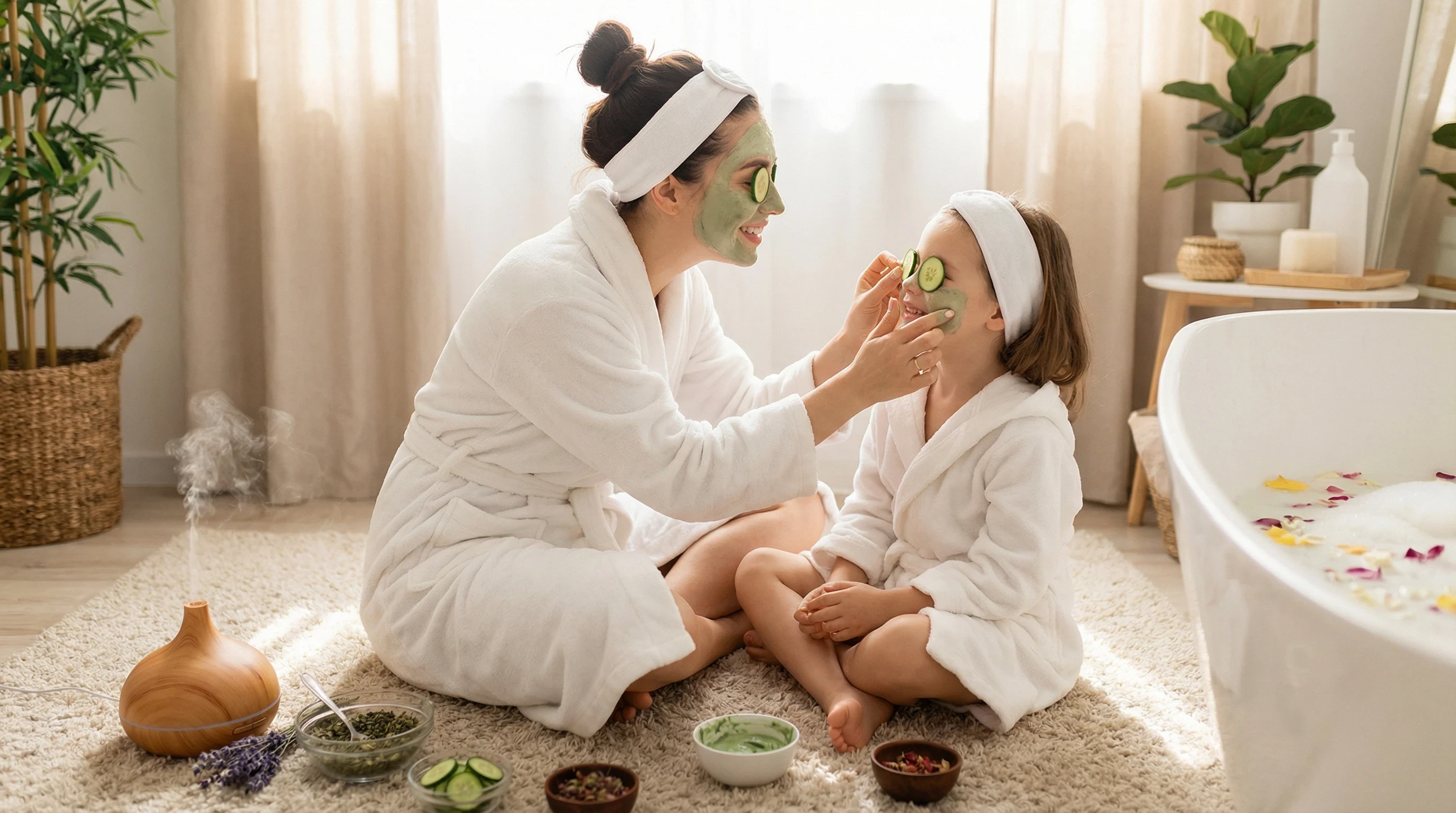
- DIY Spa Time: Mix up homemade face masks or foot baths for a special treat. Teens can be won over with chill music, snacks, and a little pampering.
- Weekly Screen-Free Hour: Fill this time with board games, puzzles, or chats. This easy tradition lifts connection and builds a healthy relationship with technology.
Overcoming Common Self-Care Roadblocks
It’s so easy to put self-care last, especially with a full plate. Here’s how I tackle common obstacles:
- Time Crunch: You don’t need ages—two minutes for deep breaths or a fast stretch counts.
- Feeling Selfish: Taking care of yourself gives you more to give elsewhere. That’s something to feel good about.
- Low Energy: Start with a tiny step, like drinking water or opening a window. Celebrate small wins to build momentum toward regular habits.
- Kids Interrupting: Get them in on the action. A “mini-yoga” class or nature walk is as good for them as for you.
More Ideas: What Are 10 Good Habits?
Switching up your habits keeps things interesting and helps you find what works best. Here are extra healthy habits to mix in with the top 10 above for a super balanced self-care approach:
- Wash hands often—it’s basic, but essential for everyone’s health.
- Keep your workspace or a home corner tidy for mental clarity.
- Do a quick three-minute pick-up before bed so you start fresh tomorrow.
- Check in with a friend or loved one, even just over text.
- Spend a few moments in silence, even if hiding in the laundry room.
- Try a creative moment—paint, doodle, bake, or whip up something new in the kitchen.
- Take brief screen breaks while working or studying.
- Smile at yourself in the mirror, even briefly—it gives a small confidence kick.
- Soak up some sunshine daily, even if it’s through the window.
- Remind yourself and your family perfection isn’t the goal—progress matters more.
The key is to start small. Choose one or two new habits, build them slowly, and don’t stress if you skip a day. Any progress, even slow, is a win.
Frequently Asked Questions
Lots of folks have questions about self-care habits. Here are some practical answers I’ve picked up through experience and from chatting with other busy parents:
Question: What are 10 easy self-care practices?
Answer: Drinking water, moving your body, mindful breathing, eating real meals, short “me time” moments, writing a gratitude list, digital downtime, strong sleep routines, enjoying nature, and learning to say no—these basics help almost everyone.
Question: What is a healthy habit to start if I’m short on time?
Answer: Even a one-minute pause to breathe deeply or sip a glass of water is a great way to settle your nerves. Start micro and add more when you’re ready.
Question: Which self-care activities are simple enough for children or teens?
Answer: Nature walks, gratitude sharing at meals, screen-free family time, or light movement are easy ways to bring kids and teens on board, no battles needed.
Question: How do I fit self-care into a packed schedule?
Answer: Blend self-care with daily routines—maybe stretching while brushing teeth, or combining it with family activities. Even a few quiet minutes before everyone gets up can be a game changer.
Making routines that fit your life is what really counts. If things don’t always go as planned, that’s perfectly fine. Sticking with these simple self-care habits—even when life throws curveballs—can give you more energy, keep your mood lifted, and help you feel like your best self, no matter how full your plate is.