
Bouncing back from burnout isn’t always a straight path. After a long stretch of stress and pressure, confidence can take a serious hit. That sense of self-doubt often lingers, making it tough to get back into work or personal projects with the same energy as before. I’ve felt this myself, so I know how key it is to rebuild confidence after burnout. Here, I’m gathering the practical steps and ideas that make the process a bit smoother, plus sharing a few extra insights for those wanting more guidance along the way.
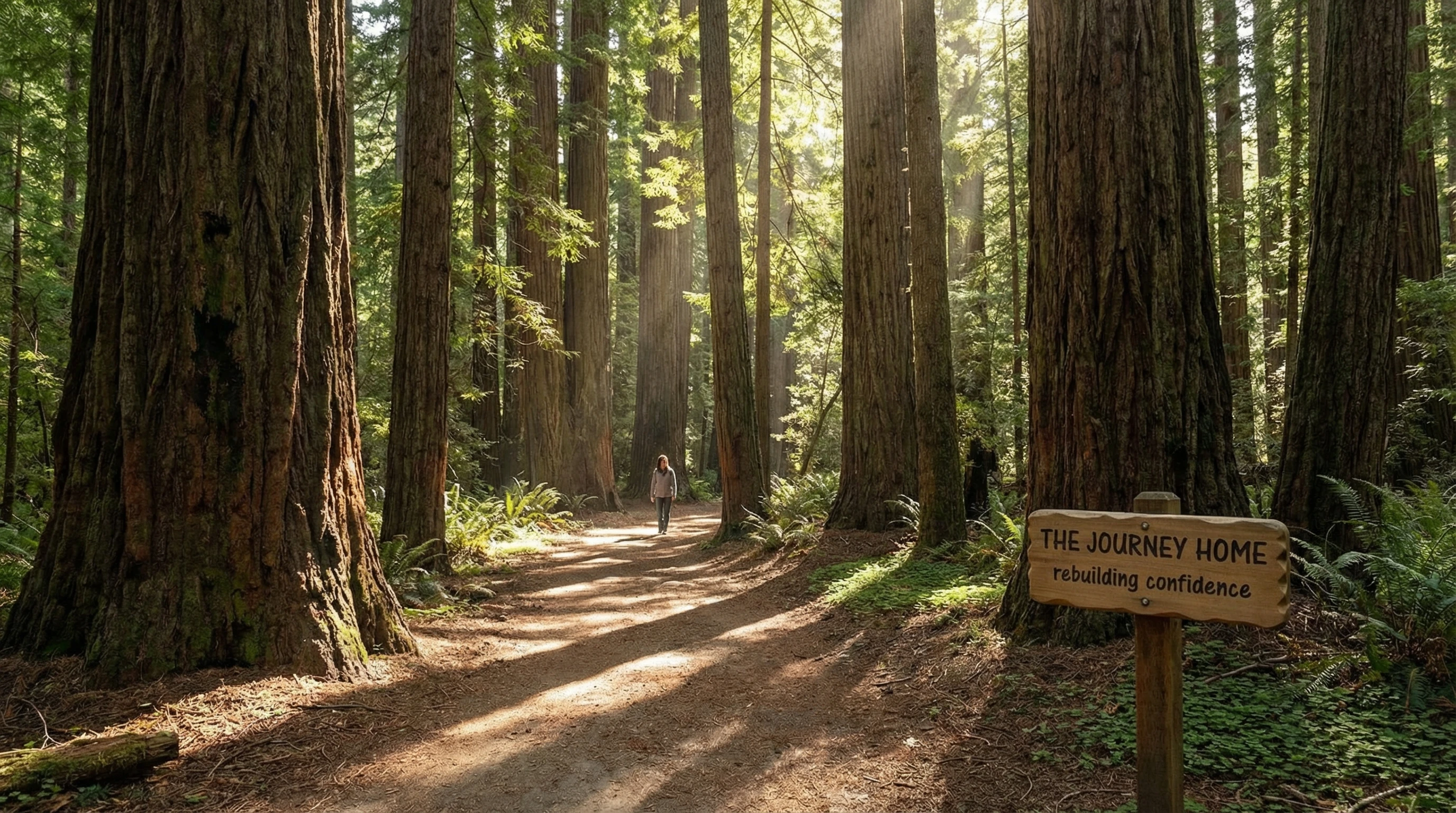
Understanding Burnout and Its Impact on Confidence
Burnout feels like a mix of emotional exhaustion, low motivation, and a dip in performance. Once it sets in, it isn’t just about being tired. It shakes your self-belief and makes things feel heavy. For anyone recovering, it’s helpful to know what’s actually happening in your mind and why bouncing back takes more than just a weekend off. The impact isn’t only psychological; it can even show up physically with headaches, sleep trouble, or stomach issues, leaving your body out of sync as well.
Work-related burnout gained recognition as a formal diagnosis in 2019 when the World Health Organization called it a syndrome tied to “chronic workplace stress that has not been successfully managed.” This means it’s pretty common, and nothing to be embarrassed about. The growing number of people facing burnout also shows how important it is to talk openly about it and remove the stigma around mental health struggles at work and in life.
Sometimes people lose confidence because burnout makes small setbacks feel way bigger than they are. Activities that once felt simple suddenly seem overwhelming, and self-doubt sneaks in fast. Recognizing this is the kick-off point for rebuilding that confidence. Understanding the cycle can help you spot patterns and get in front of them next time.
How to Rebuild Confidence After Burnout
The most effective way to restore confidence is by taking little steps. There’s no need for giant leaps — progress comes from actions that slowly restore your self-trust and energy, day by day.
- Set Low-Stress Goals: After burnout, the usual pace can feel like a rush. Create short, manageable task lists for your day or week. Even ticking off small achievements, like cleaning up your inbox or having a healthy breakfast, can help rebuild a sense of accomplishment. Sometimes, just making your bed or organizing your workspace is enough to feel like you’re moving forward.
- Celebrate Wins (Even Small Ones): Don’t wait for giant milestones to feel good about yourself. Make a habit of noticing when things go right, even if it’s just getting out of bed or finishing an annoying task. Consider keeping a journal or log of these wins, no matter the size, and revisit them on tough days.
- Challenge Negative Thoughts: Self-doubt is sneaky. When you catch yourself doubting your abilities, write down what triggered it and compare it against what’s actually true. Most of these negative thoughts are based on fatigue or old worries, not reality. Bringing a bit of objectivity can ease some of that mental pressure.
- Lean on Support: Sharing your experiences with someone you trust, whether a friend, coworker, or therapist, can ease the shame and give you a more realistic view of your strengths. Sometimes just talking things through helps you see your situation with fresh eyes.
- Ease Back In: Jumping back into everything at full speed rarely works out. Give yourself permission to go slow. Start with less challenging tasks and gradually work up from there. It’s about pacing, not racing—think of it like training gently after an injury, not leaping straight into a marathon.
As you start restoring confidence, keep track of how your energy slowly shifts. Trusting yourself again won’t happen overnight, but these daily habits can pull you closer to feeling like yourself again. Consistency is important. If you fall off for a day or two, just pick things up again without giving yourself a hard time. Remember, progress isn’t always linear.
What is the 42% Rule for Burnout?
The 42% rule isn’t widely known, but it’s a handy idea. It comes from sports science that found top performance and well-being aren’t about pushing at 100% all the time, but rather working around 42% of your maximum effort. This allows for consistency and sustainable progress.
Translating this to work and life, it’s about resisting the urge to overexert yourself after rest. Aim for steady, manageable output instead. For instance, if you usually work 10 hours a day, try scaling down your effort to a point where it feels sustainable. Give yourself permission to decline extra responsibilities and pace your workload. Not only does this help prevent further burnout, but it makes the entire process more enjoyable and rewarding.
You don’t need to measure exactly—just check in and ask yourself if your day feels manageable, or if you’re stretching too thin. Consistency builds confidence better than short bursts of high effort followed by crashes.
How to Mentally Reset After Burnout
Mental resets after burnout are about giving your brain a true “reboot.” Sometimes your mind still feels sluggish, and that’s normal. Here are some methods I rely on to give myself a mental reset, and a few extra tips for anyone needing ideas:
- Take Breaks from Screens: Try a brief walk outside, enjoy lunch away from your desk, or just step outside for fresh air. Small moments away from screens allow your thoughts to settle and recharge.
- Create Space for Reflection: Journaling is my personal go-to. Writing things out helps see patterns, set goals, and offload worries. If journaling isn’t your thing, audio notes or even drawing can be just as useful.
- Change Your Environment: Even a minor switch, like working from a different room or exploring a new coffee shop, can offer a new perspective. Novelty wakes up the mind and can help spark creativity.
- Practice Mindfulness and Breathing: These don’t have to be complicated. Try focusing on your breath for two minutes, or taking notice of sensations around you. Daily moments of mindfulness can tone down tension and help you stay grounded even in busy settings.
- Pencil In Fun Activities: It’s easy to skip hobbies and interests when you’re not feeling your best, but these moments of genuine enjoyment play a big part in healing. Whether it’s sketching, cooking, or watching something lighthearted, actively making time for these things is a powerful way to refresh your spirit.
Remember, mental resets take time. Progress is individual—be patient and gentle with yourself as you rebuild your confidence and adjust to a more balanced pace.
Things to Consider When Rebuilding Confidence After Burnout
There are a few hiccups that often pop up after burnout. Recognizing them makes it easier to steer around setbacks before they take you off course:
- Fear of Relapse: You might be scared that pushing too hard will send you right back to square one. Stay aware of your limits and keep open lines of communication with managers or loved ones. It’s always okay to ask for a pause.
- Perfectionism: Wanting everything to be flawless can fuel burnout. Practice self-compassion and remind yourself that “good enough” is enough. Progress, not perfection, is what counts in the long run.
- Pace Yourself: Be ready for progress to be slower than you’d like. Consistency and regular check-ins with yourself help keep things moving in the right direction, even if only slightly.
- Adjust Workloads: When possible, negotiate for fewer tasks or flexible hours. This not only keeps you from getting overwhelmed but also builds skills in advocating for your own well-being—a confidence boost in itself.
- Celebrate Personal Strengths: Make a list of what you’ve learned from your burnout. Maybe you’re more aware of your limits, or better at setting boundaries. These lessons add to your resilience and allow you to move forward with new understanding.

Personal Experience: What Helped Me Most
Noticing everyday positives, like the taste of a good cup of coffee or a friendly conversation, helped shake off doubt and see real progress. I also reached out to a mentor who reminded me of my strengths, especially on tough days. Regular self-check-ins—something as quick as “How am I feeling right now?”—helped me stay connected to my needs and spot any old burnout signs creeping back in. Coming out of burnout didn’t happen all at once—it started the moment I gave myself permission to slow down. What helped me most was carving out time just for me: quiet moments, real rest, stepping away from electronics and social media, and letting my nervous system breathe again. I found comfort in reading, calming music, gentle stretching, and movement that felt good instead of forced. But the biggest healing came from dancing alone in my room, headphones on, no audience, no expectations—just me being fully myself. In those moments, I stopped worrying about the world or what anyone thought, and I remembered who I was beneath the exhaustion.
Frequently Asked Questions
Here are some common questions I get from people on the path back from burnout—along with practical answers based on both research and my own experience:
Question: How do you rebuild confidence after burnout?
Answer: Go slow and focus on achievable wins. Celebrate progress regularly, question negative thoughts, and don’t hesitate to ask for help. Rebuilding self-trust is about steady, step-by-step growth, not overnight fixes.
Question: What are the 3 R’s of burnout?
Answer: Recognize, Reverse, and Resilience. These steps are about spotting burnout early, taking steps to recover, and building habits that help you handle stress and keep your confidence solid in the future.
Question: How do you mentally reset after burnout?
Answer: Give yourself time and room for real rest and reflection. Embrace hobbies, break up routines, practice mindfulness, and let fun back into your days to help your mind genuinely recharge.
Final Thoughts
Rebuilding confidence after burnout doesn’t happen overnight, but each small step adds up. Prioritize self-care, build sturdy routines, and keep your expectations realistic for where you are today—not where you “should” be. By really tuning in to your own needs and honoring your progress, you’ll notice confidence returning bit by bit. This new strength makes handling future curveballs easier. If you’re struggling, remember you’re far from alone. There’s always a way forward, even if the path is small at first. Keep going—inch by inch, you’re making your way back.