
Science is stumbling upon some really eye-catching links between our gut and our brain, especially when it comes to fitness and overall wellbeing. This is usually called the “gut-brain connection,” and it’s not just some popular wellness phrase. You can actually put this knowledge to work and tweak your workouts, speed up recovery, and even feel better both mentally and physically. Let’s jump right in to how you can start making the most of the gut-brain connection in your fitness program, using ideas that keep your wallet happy.
What Is the Gut-Brain Connection?
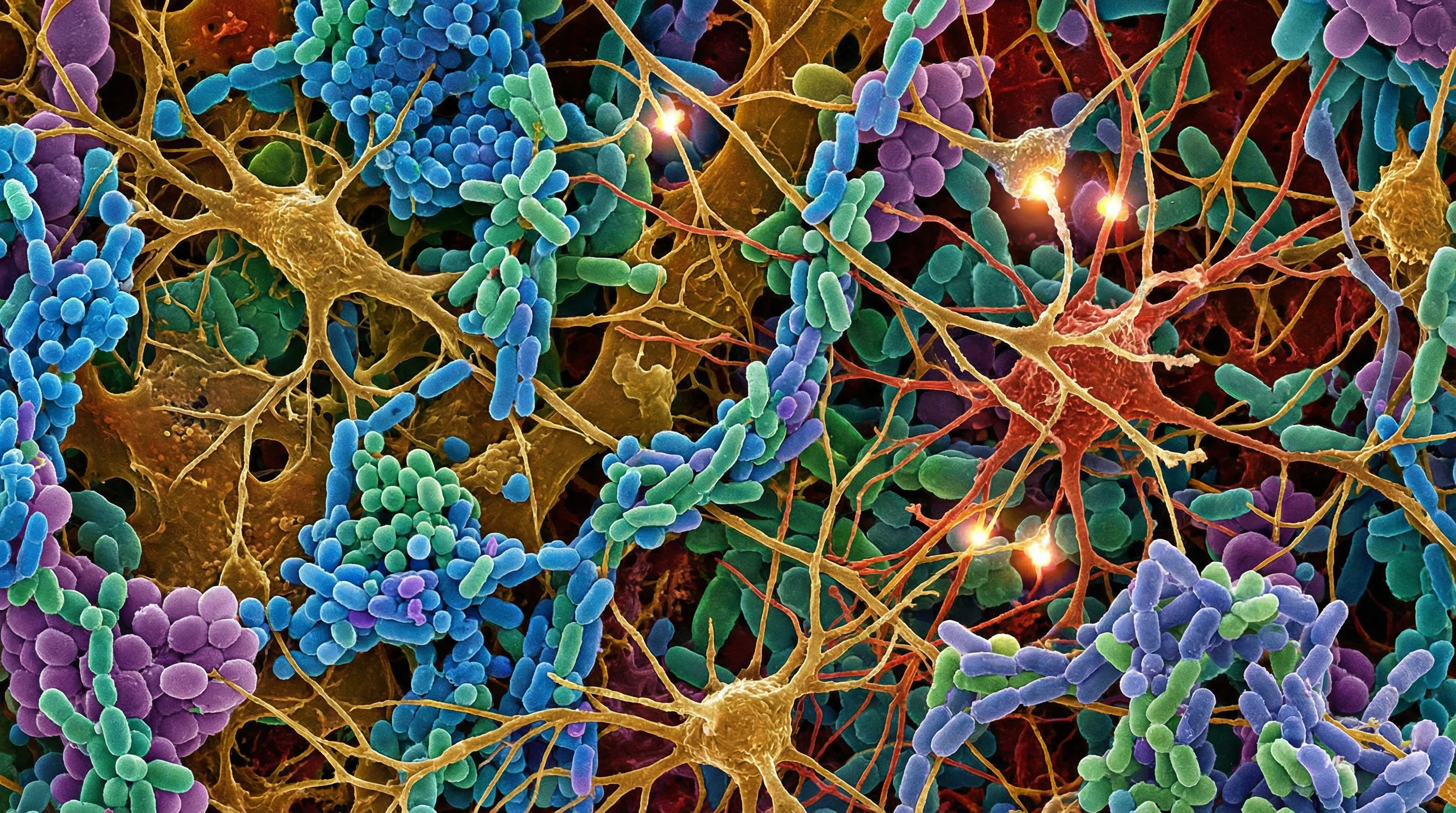
Your gut and your brain chat constantly. This communication is a two-way street, managed by a setup called the gut-brain axis. Think of it like a high-speed internet cable linking your digestive system and your brain directly. Messages zip along through nerves (like the vagus nerve), hormones, and even chemicals created by trillions of tiny bacteria in your gut (your gut microbiome).
Researchers have tracked down that the gut-brain connection isn’t just about digestion. It shapes things like mood, energy levels, sleep, how well you recover from workouts, and your overall fitness adventure. If you’re dealing with stress, slow recovery, or dips in energy, your gut might be calling for a little attention.
How Gut Health Affects Fitness
Your gut does so much more than just turn food into fuel. If your gut microbiome is rich and diverse, you’re likely to have fewer hiccups like fatigue, bloating, or catching every cold in sight—all of which can knock your motivation or put the brakes on your progress in a fitness plan.
- Energy levels: Your gut helps your body soak up important nutrients like B vitamins, magnesium, and iron—key players for stamina and energy during workouts.
- Muscle recovery: Certain gut bacteria join forces to keep inflammation in check. Less inflammation means faster bounce back after tough sessions.
- Mood and motivation: Almost 90% of your body’s serotonin—the “feel-good” messenger—gets its start in your gut. If your gut’s not happy, your motivation can nosedive.
- Weight control: Some gut bacteria make burning fat and controlling cravings easier, taking a little bit of stress out of healthy weight management.
Even small changes in your gut health can switch up your results. Keeping your gut in good shape can give you more energy and help you feel more grounded day-to-day.
Simple Ways to Support the Gut-Brain Connection on a Budget
Boosting gut health for better fitness doesn’t have to mean spending a lot on trendy supplements or “superfoods.” Plenty of practical, budget-friendly steps start with just your food and a few tiny lifestyle edits.
- Eat more fiber rich foods: Beans, lentils, oats, bananas, and apples feed your gut bacteria—these are cheap and easy to work into snacks or meals.
- Try fermented foods: Yogurt, kefir, sauerkraut, and kimchi are loaded with natural probiotics. Homemade pickles (made with brine, not vinegar) are a thrifty swap here too.
- Skip some processed snacks: Too many ultra processed treats, fried food, and sugary drinks can mess up your gut balance and leave you sluggish. Swapping out just a couple of snacks a week for nuts or fresh fruit makes a difference.
- Drink plenty of water: Hydration keeps your gut working smoothly. Bring a refillable water bottle to the gym and save on pricey drinks.
- Stick to regular meals: Eating around the same time daily keeps your gut in sync, which helps digestion and levels out your energy.
You don’t need to grab expensive probiotics or only grocery shop organic to make progress. Small, lasting tweaks do more for your workouts and recovery than big-budget products.
Building Your Fitness Routine with Gut Health in Mind
Most fitness programs zoom in on exercises, macros, and calories, but factoring in gut health can step up your whole approach and get you better results in the long run. Here’s how it’s made a real impact for me and folks I’ve coached:
- Mix up your movements: Switching things up with some low intensity exercise like walking, stretching, or yoga helps your gut. Real talk: moderate movement makes gut bacteria more diverse.
- Prioritize sleep: Gut bacteria have their own “internal clock.” Aiming for 7-9 hours of sleep keeps your gut and brain both working at their best, which means faster repair, more motivation, and less stress.
- Manage stress for real: Ongoing stress confuses your gut balance and can slow down recovery or cause cravings for junk food. Free apps for deep breathing, old-fashioned journaling, or just regular walks outdoors can work wonders—no pricey tools needed.
- Stay consistent: Your gut loves routine. Being steady with meal times, sleep, workout plans, and stress-busting habits helps you spot better energy and mood before too long.
Real-life story: I swapped my usual energy drink before a workout for a banana with peanut butter, plus extra water. Not only did my gut stay happy during exercise, but my energy held strong through my whole session. No expensive tricks—just paying attention and trying tiny swaps that made me feel better.
Common Issues People Run Into (And What to Do About Them)
Getting on board with “gut-friendly” habits doesn’t require a full-scale overhaul. Here are some hang-ups you might hit, and simple ways to fix them:
- Bloating post-exercise: Try eating a small snack an hour or two before your workout instead of a big meal. If milk-based foods set off your stomach, switch to lactose free yogurt or a banana.
- Random dips in mood or energy: Low blood sugar messes with your gut-brain messages. Meals rich in fiber and protein—think bean soup or whole-grain sandwiches with nut butter—can smooth these bumps out.
- Craving junk after workouts: Hard workouts sometimes set off cravings. That could be your gut microbiome reacting. More prebiotic foods (like oats and onions) can help your gut adjust over time.
- Supplements aren’t in the budget: No need to stress over fancy probiotics or powders. Basic whole foods and little upgrades in routine usually do the trick. Lean on frozen veggies and canned beans to save cash when making gut-friendly meals.
Testing a couple changes for a few weeks lets you see what gets the best results. Keep tabs on how you feel, then adjust to what suits you.
Gut-Brain Friendly Fitness Habits That Add Up
- Walk or bike for quick errands: It’s free movement that lowers stress and supports the gut-brain axis.
- Homemade fermented veggies: Whipping up sauerkraut or kimchi at home is super affordable—all you need is a cabbage, salt, and a jar.
- Cook at home more often: Homecooked meals let you load up the fiber, healthy fats, and cut out some processed stuff, all without blowing your budget.
- Meal prep on a budget: Try bulk-cooking bean chili, veggie-heavy stir fries, or simple rice bowls to keep fiber up and costs down.
No need to buy every expensive supplement or health food you see on social media. Affordable options abound to set free both your gut health and your gym progress.
FAQs About the Gut-Brain Connection in Fitness
Question: Will taking probiotics give my performance a boost right away?
Answer: Most over-the-counter probiotics aren’t quick fixes. They can help, but enjoying different fiber rich and fermented foods is a smarter—and cheaper—plan for the long haul.
Question: Can gut health really impact my mood before or after workouts?
Answer: Absolutely. Gut bacteria make and influence feel-good chemicals like serotonin and dopamine. A happier gut usually means a bigger drive to show up for early morning or after-work workouts.
Question: What if I have dietary restrictions?
Answer: There are gut-friendly foods for any diet. Use gluten free grains (like brown rice or quinoa), dairy free yogurt (coconut or soy-based), and lots of fruits and veggies for gut health.
Question: Is gut-brain fitness advice only for pro athletes?
Answer: Not in the least. Anyone—from beginners to seasoned athletes—can put these tips to work and get more out of both workouts and recovery days.
Takeaways for Gut-Brain Fitness on a Budget
Building a fitness routine around your gut-brain connection can pump up your energy, help you recover faster, and give your motivation a boost—without draining your bank account. Small food swaps, basic home-cooked meals, and sticking to routines help keep your gut and brain a well-matched pair. Track your own progress—how you feel, your energy, your motivation—and you’ll start to see just how much these changes matter. The gut-brain connection isn’t just another wellness buzzword; it’s a simple, practical part of any fitness adventure, no matter your budget.